
Tree Trimming vs. Pruning: What Is the Difference?
When maintaining the landscape around your home or commercial property, understanding the specific needs of your plants is essential for their overall health and appearance. Many property owners use the terms trimming and pruning interchangeably, assuming they refer to the exact same maintenance task. However, these are distinct practices that serve entirely different purposes for the plant life on your property. Knowing the difference between the two can help you make better decisions for your landscape and ensure your plants thrive season after season. Sometimes, the best way to determine what your property needs is to consult with an expert who provides a reliable tree trimming service. Whether you are looking to enhance the aesthetic appeal of your yard or protect the structural integrity of your favorite oak, recognizing when to trim and when to prune is the first step. This guide will break down the fundamental differences between these two common maintenance tasks, helping you understand exactly what each process entails and why both are crucial for a beautiful and thriving outdoor space.
Understanding The Purpose Of Tree Trimming
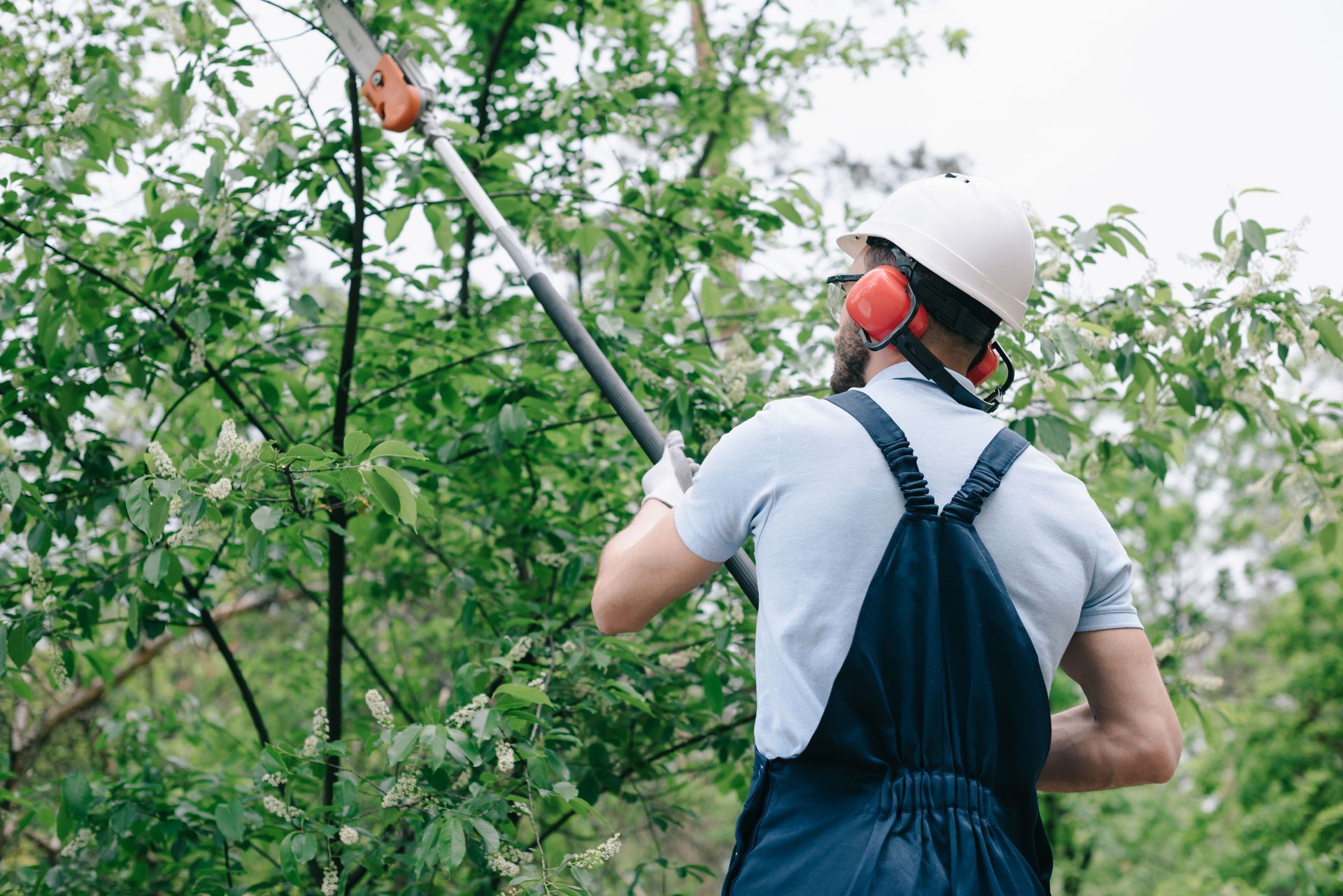
The primary goal of trimming is to improve the overall aesthetic appearance of the plant. Think of this process as a haircut for the foliage in your yard. Over time, branches can grow in uneven patterns, making the canopy look messy or disproportionate. Trimming removes this overgrown foliage to restore a clean, manicured shape. This practice is most commonly associated with shrubs and hedges, but it applies to larger canopies as well. When you hire a professional tree trimming service, the technicians focus on thinning out the exterior branches to allow more sunlight and moisture to reach the underlying plants. By removing excess growth, trimming also prevents branches from encroaching on power lines, roofs, or neighboring properties. Regular maintenance of this kind ensures that your yard looks tidy and well-kept throughout the changing seasons. Furthermore, keeping the canopy shaped properly encourages thicker, more robust foliage on the exterior, giving your landscape a lush and vibrant appearance. Ignoring this task can lead to unmanageable overgrowth that detracts from the curb appeal of your property and creates a chaotic visual environment.
Understanding The Purpose Of Tree Pruning
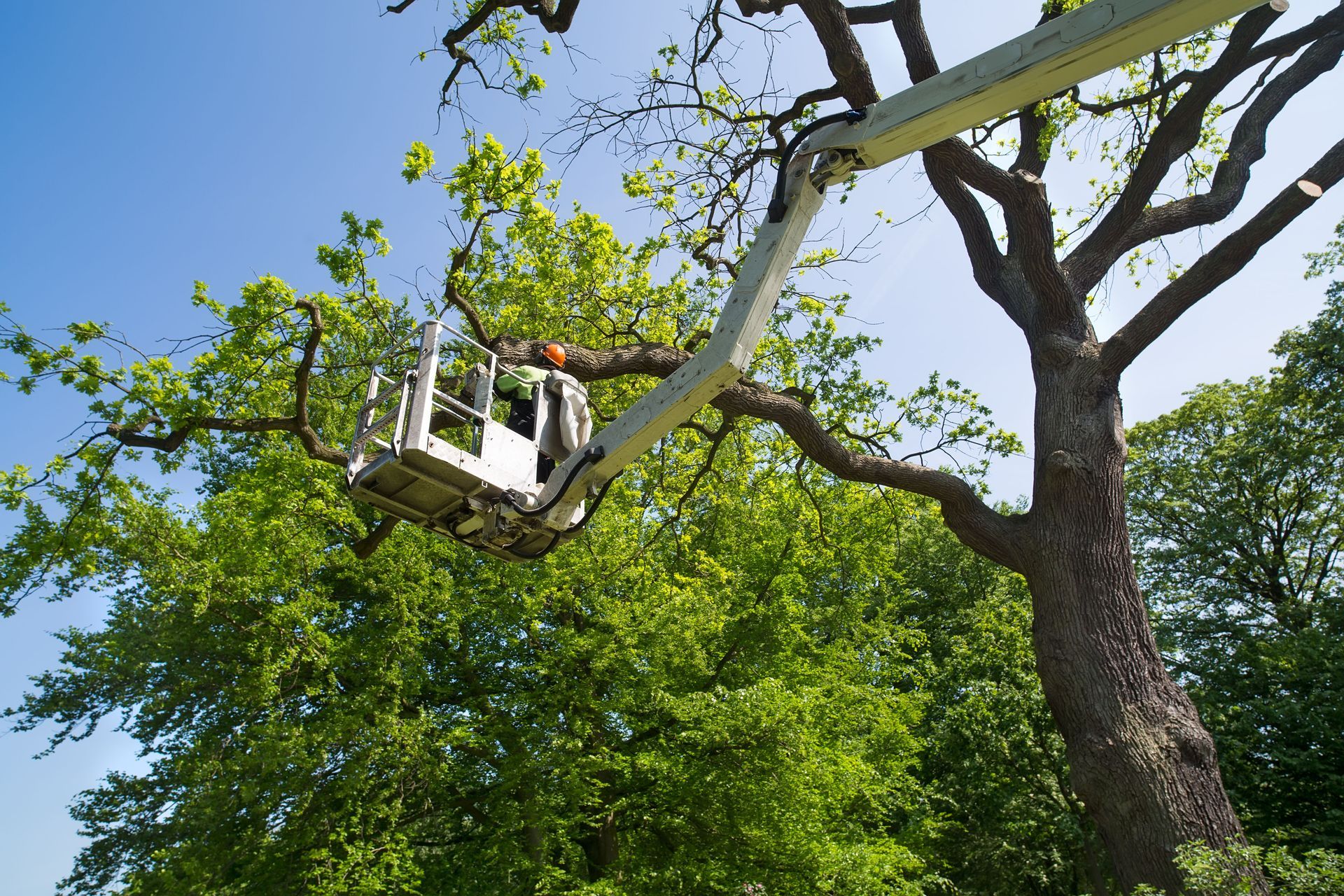
While trimming focuses primarily on aesthetics, pruning is entirely dedicated to the health and safety of the plant. This process involves the strategic removal of specific branches or stems that are dead, diseased, or otherwise compromising the structural integrity of the plant. Pruning is essential for preventing the spread of disease to healthy sections of the canopy and protecting the surrounding environment from falling hazards. If a branch is decaying or structurally weak, it poses a significant risk to your property, especially during severe weather events. By selectively removing these dangerous limbs, pruning strengthens the overall structure and directs the plant's energy toward producing healthy new growth. This technique is also used to encourage fruit production or improve the flowering capabilities of certain species. Because pruning requires a deep understanding of plant biology and structural development, it is generally considered a more technical task than simple aesthetic shaping. Proper cuts must be made at precise angles to ensure the plant can heal correctly and avoid inviting pests or diseases into the fresh wounds.
Comparing The Techniques Of Both Methods
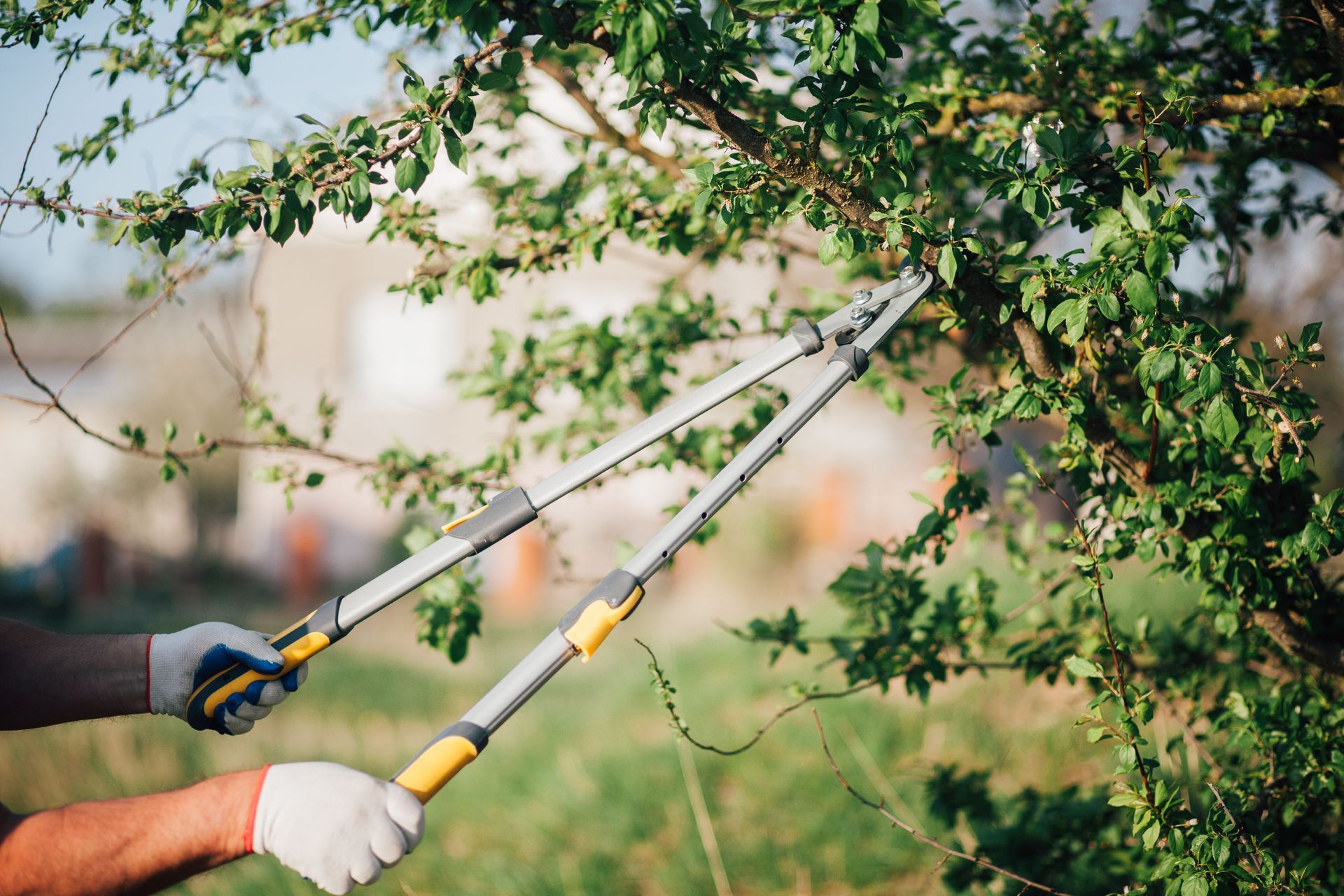
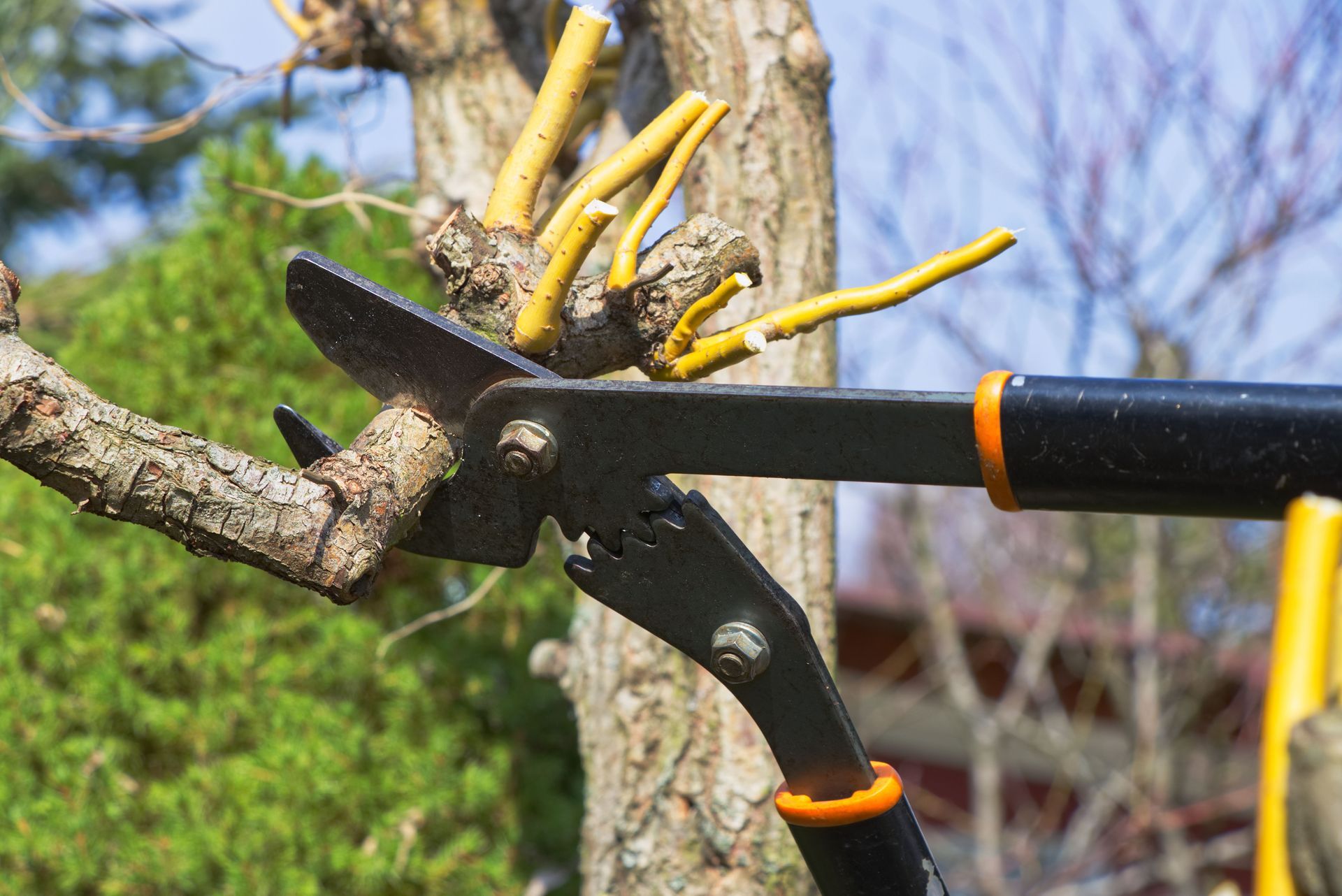
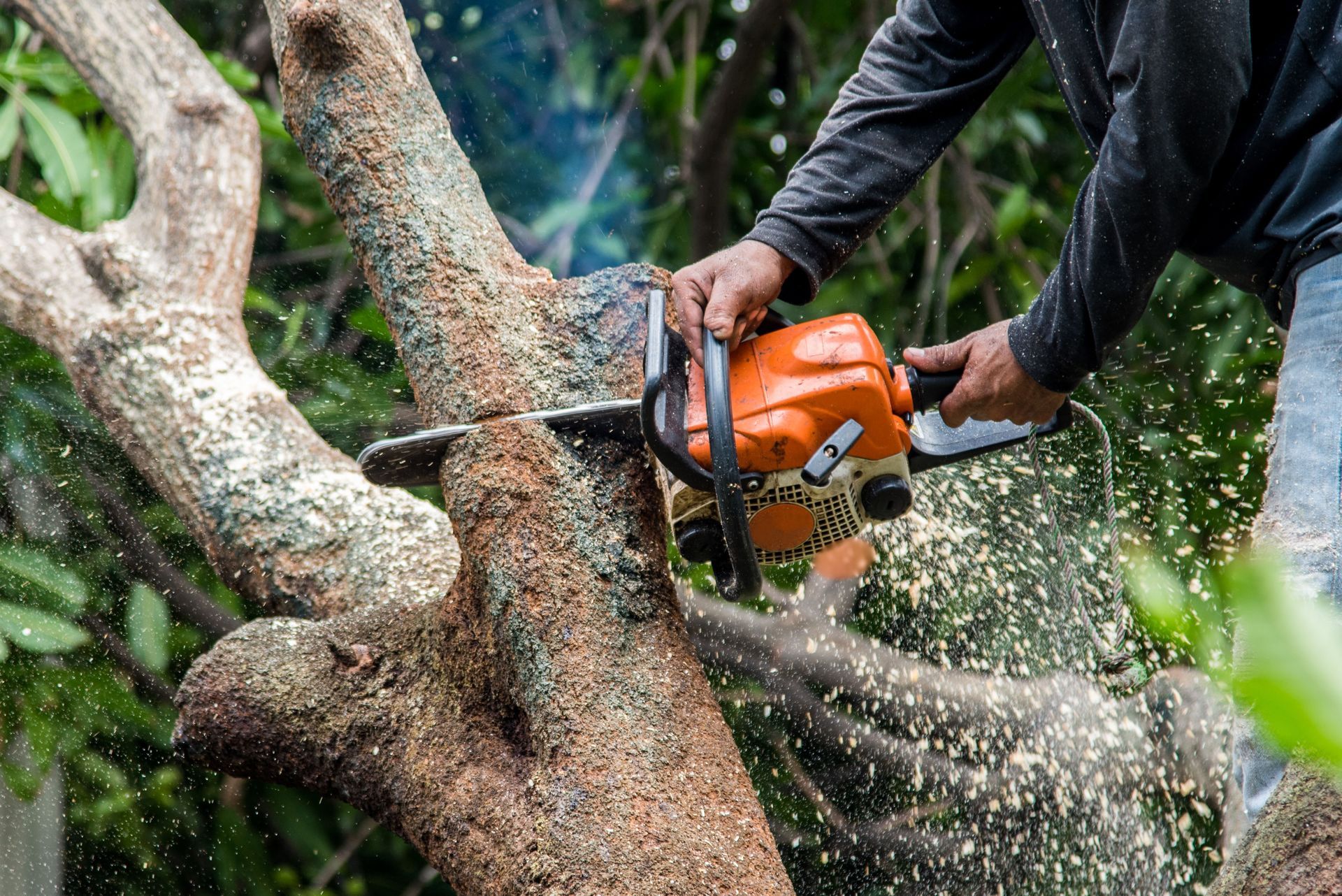
The techniques and tools used for these two tasks vary significantly due to their different objectives. Trimming usually involves the use of shears or specialized hedge trimmers to cut away thin, soft foliage at the exterior of the canopy. The goal is to create smooth lines and a uniform shape, which requires broad, sweeping cuts across the surface of the foliage. In contrast, pruning requires more heavy-duty equipment like hand shears, loppers, or chainsaws to remove thicker, woody branches from the interior of the structure. Pruning cuts are highly targeted and deliberate, focusing on individual branches rather than the overall surface area. A professional who operates a top-tier tree trimming service will know exactly which tools are appropriate for the specific task at hand. Making a mistake with either technique can cause significant damage. Using hedge trimmers to hack away at thick, woody branches can splinter the wood and cause lasting harm, while using heavy loppers for delicate shaping can result in a patchy, uneven appearance. Understanding these technical differences ensures the right approach is applied to every situation.
Recognizing The Right Time For Care
Timing is another critical factor that separates these two landscaping practices. Because trimming is generally focused on aesthetics and involves removing minor outer growth, it can often be done multiple times throughout the active growing seasons to maintain a neat appearance. Property owners often schedule this maintenance during the spring and summer to keep aggressive growth in check. Pruning, on the other hand, is usually best performed during the dormant season, which typically falls in late winter. Pruning while the plant is dormant minimizes stress and reduces the risk of sap loss or pest infestation at the site of the cut. With the foliage gone, the underlying branch structure is also much easier to evaluate, allowing for more precise and effective removal of problem limbs. However, if a branch is dead or poses an immediate safety hazard, it should be removed right away regardless of the season. According to BobVila.com, a healthy, mature tree generally requires trimming every 3 to 5 years to stay healthy. Setting a consistent schedule for both tasks will keep your landscape looking beautiful and structurally sound year-round.
Selecting The Proper Maintenance Strategy
Determining which strategy to employ depends entirely on what you want to achieve with your landscape. If you are preparing your property for an upcoming event or simply want to boost your curb appeal, focusing on aesthetic shaping is the right move. This will instantly refresh the look of your yard and create a welcoming environment. Conversely, if you notice dead wood, signs of disease, or branches that are crossing and rubbing against each other, you need to pivot your strategy toward health and safety. Sometimes, a property requires a combination of both methods to reach its full potential. Evaluating your landscape regularly will help you identify issues before they become severe. Many property owners struggle to make this assessment on their own, which is why bringing in an expert from a qualified tree trimming service can be so beneficial. These professionals can thoroughly inspect your canopy, identify hidden structural flaws, and recommend the exact type of care required. Implementing the correct maintenance strategy at the right time is the ultimate key to achieving a thriving, long-lasting outdoor environment.
Evaluating The Impact On Property Value
Investing in proper landscape care directly impacts your property value. Well-maintained foliage adds curb appeal, making the property more attractive to buyers or visitors. Conversely, a wild yard suggests a lack of maintenance, detracting from the perceived value of the home or commercial building. Utilizing a professional tree trimming service ensures the aesthetic elements of your landscape remain pristine. Furthermore, addressing health and safety concerns through targeted limb removal protects the property from damage caused by falling branches. Buyers are wary of properties with hazardous canopies because they represent a significant future expense. By proactively managing the structural integrity and visual appeal of your landscape, you protect your investment. Regular maintenance demonstrates a commitment to upkeep that resonates strongly in the real estate market, proving routine care is financially rewarding.
Caring for your landscape requires a delicate balance of aesthetic upkeep and structural maintenance. Understanding the unique benefits of both practices allows you to cultivate a stunning, safe, and thriving outdoor space. Whether you need routine shaping or critical structural care, relying on a knowledgeable tree trimming service makes all the difference. For expert guidance and a comprehensive tree trimming service, call Forest Management Inc. today to learn more.




Share On: